Kohlenstoffvers
Kohlenstoffvers
2025, 16mm film and archival materials transferred to 2K. Stereo Sound. 38 min.
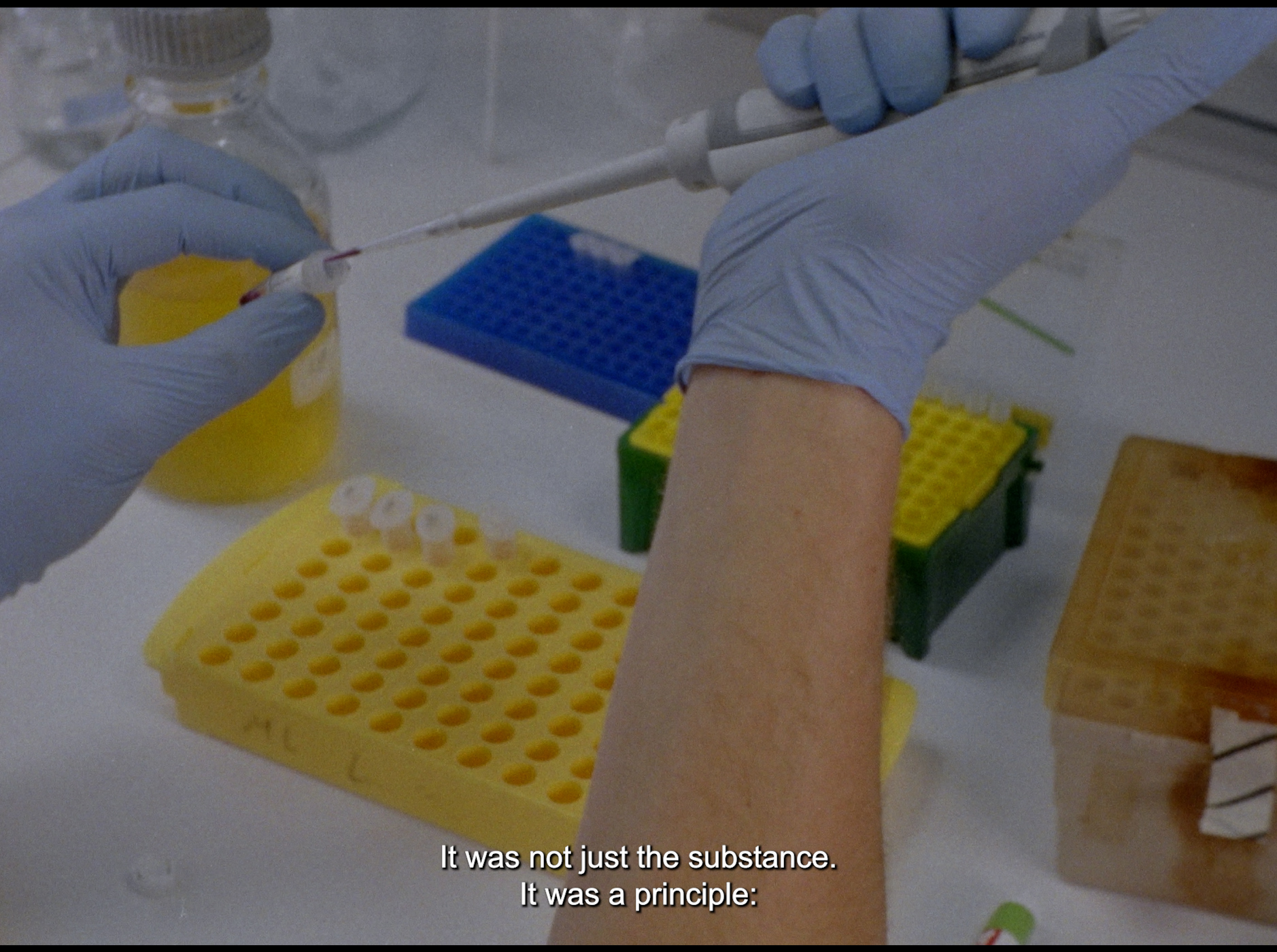
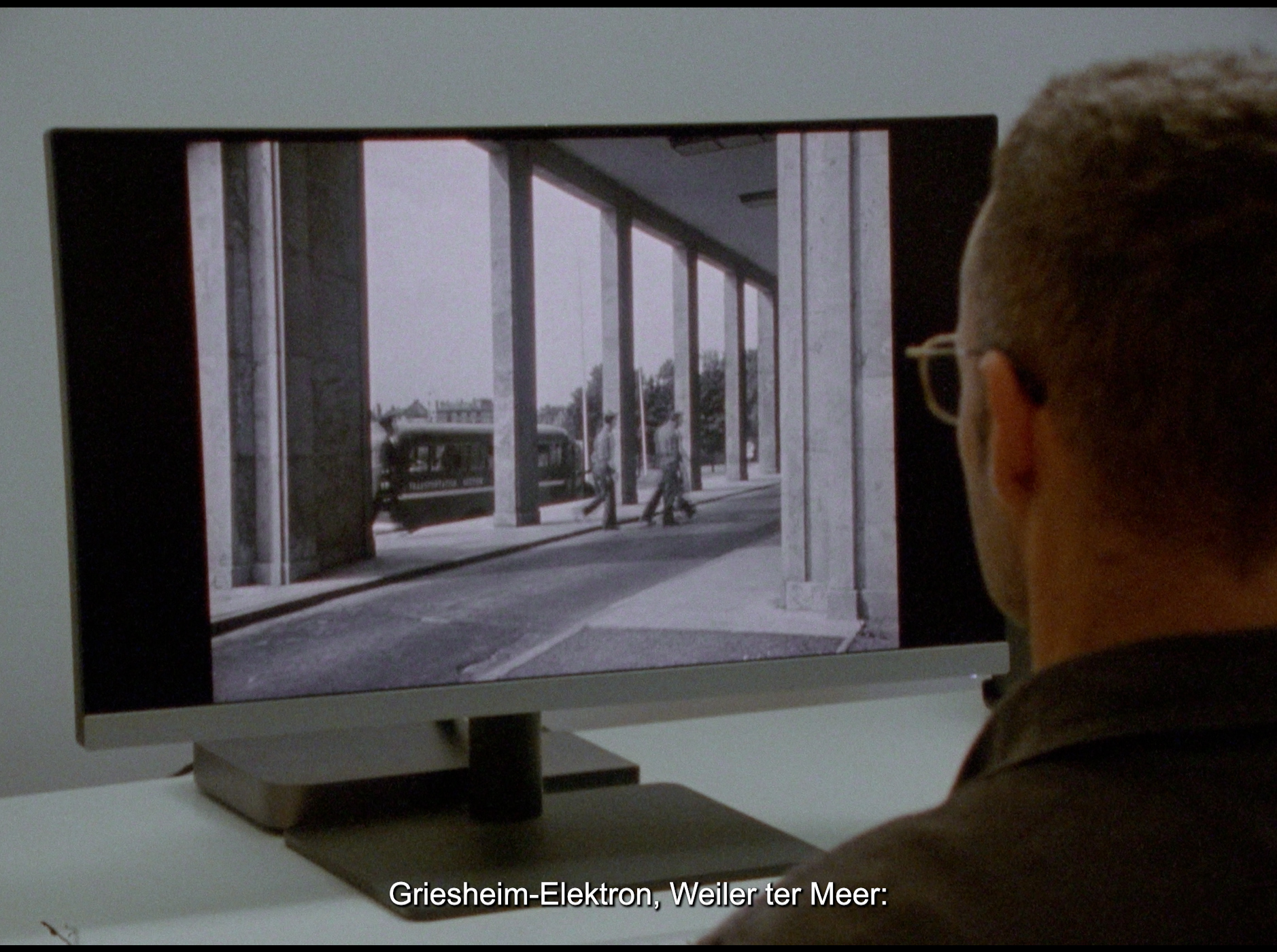
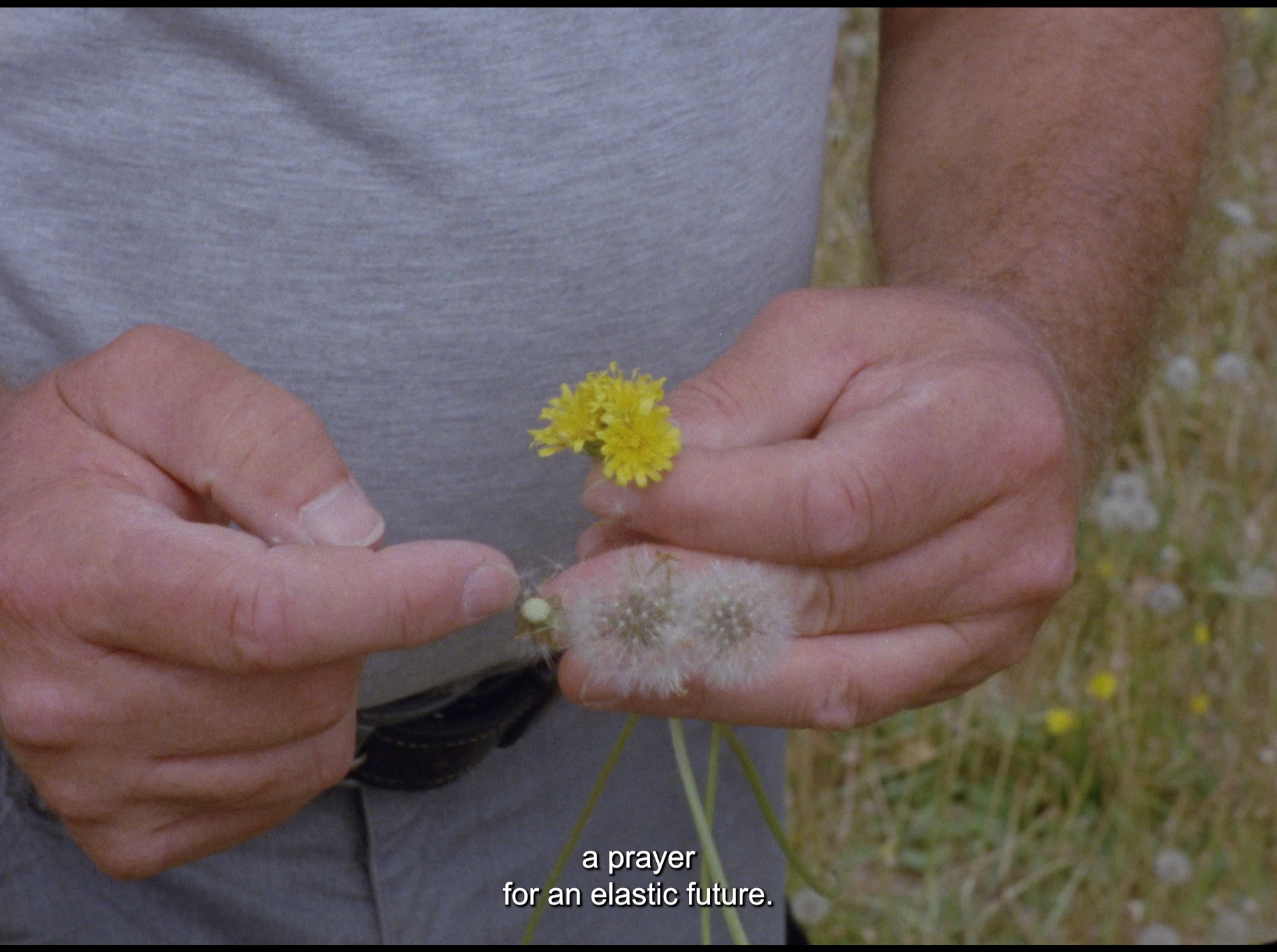
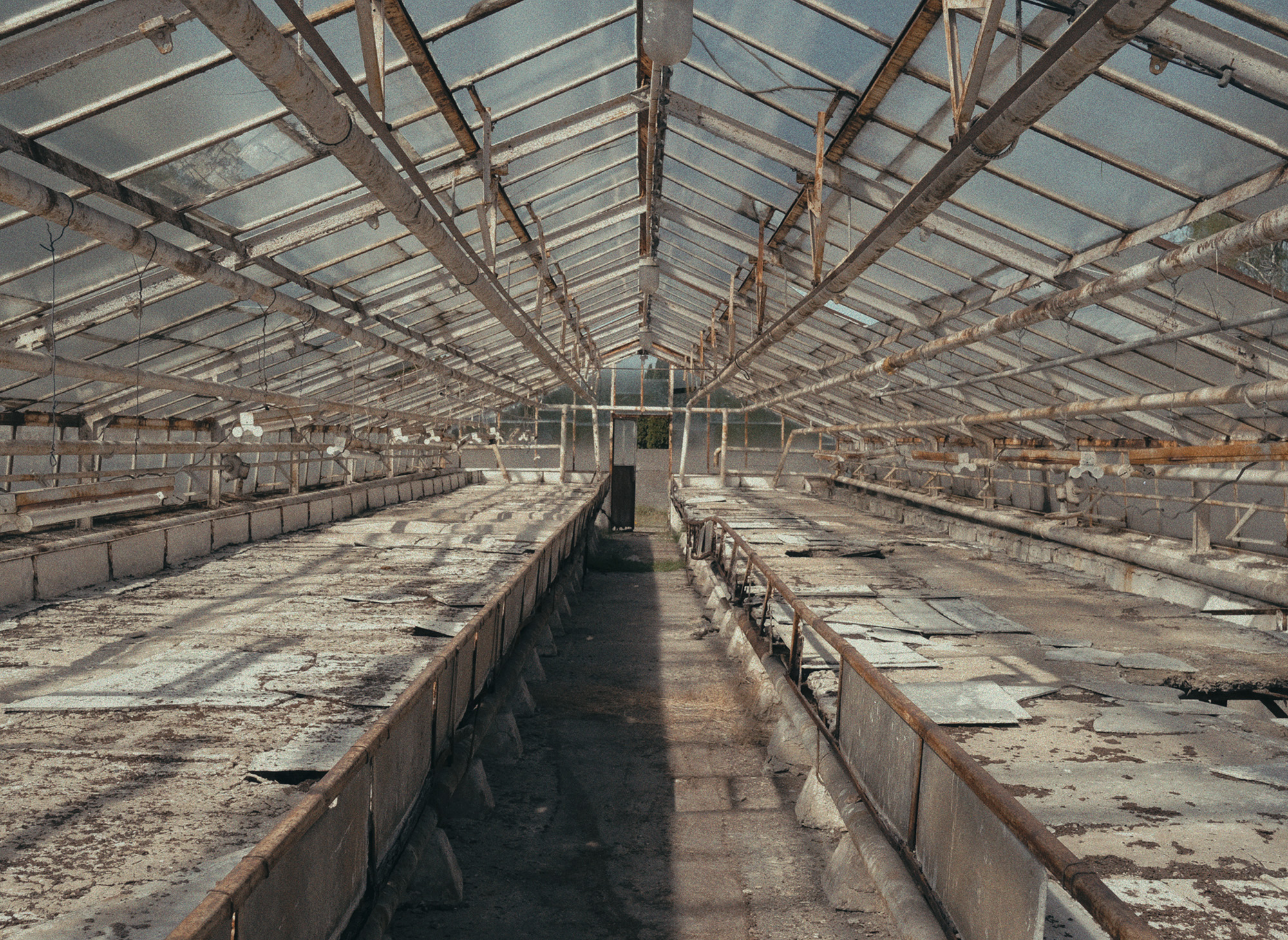
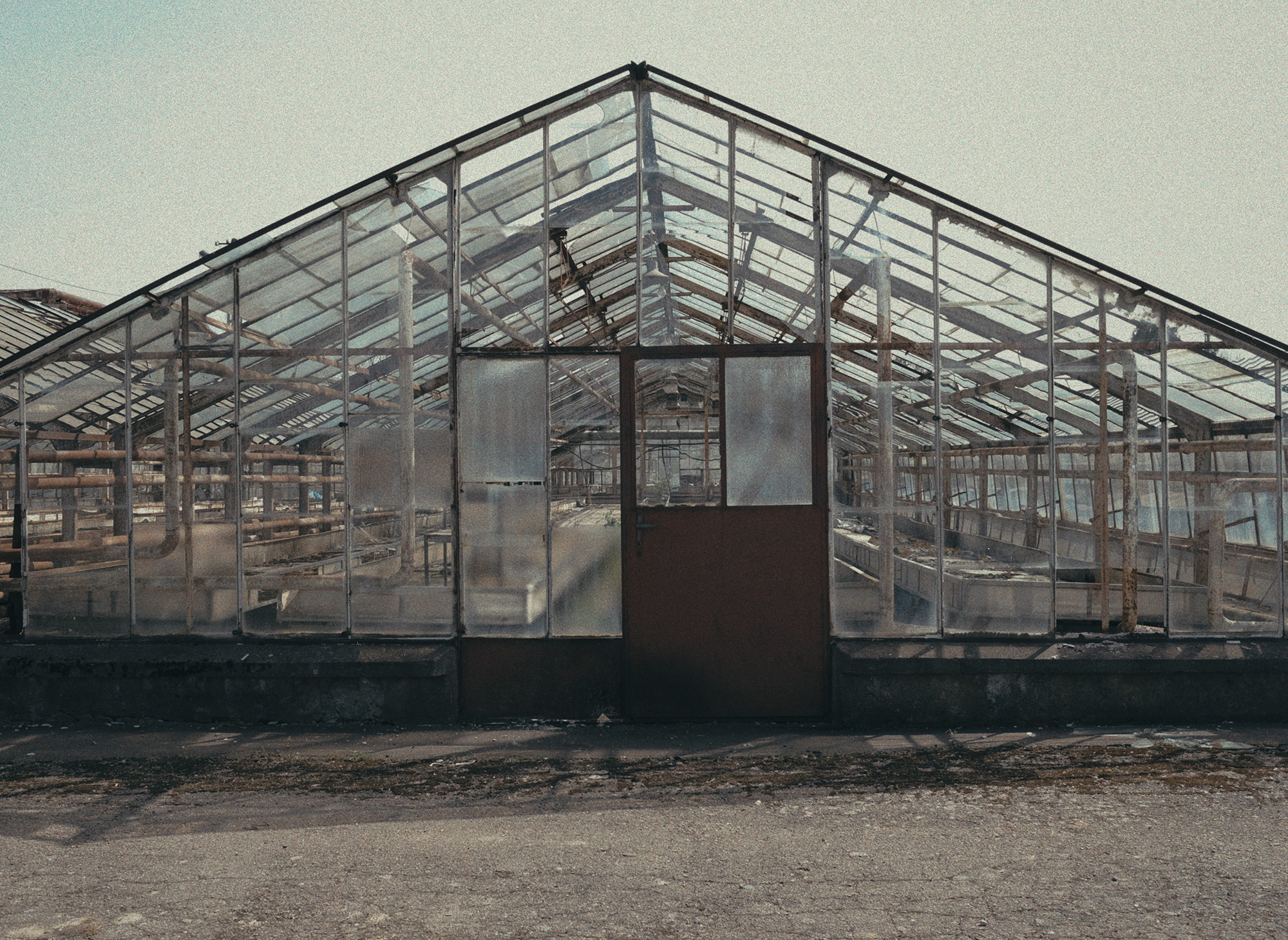
Kohlenstoffvers (Carbon Rhyme) is a visual and textual excavation into a repressed chapter of German industrial history, revealing how the pursuit of technological perfection became tragically intertwined with the darkest crimes of the 20th century. The film traces the chemical and political roots of the Third Reich through the unlikely source of the Kazakh Dandelion (Kok-saghyz), a weed whose roots yield natural rubber. Driven by its need for wartime self-sufficiency, Nazi Germany pursued this plant using forced labor at the Rajsko plant-breeding station, a subcamp of Auschwitz-Birkenau. A ghostly narrator evokes the industrial alchemy of the IG Farben conglomerate, which mastered the art of transforming the “black abyss” of coal tar into the fuels, synthetic dyes, and rubber that powered the Wehrmacht, linking the chemical origins of the German war machine directly to the labor camps.
The film operates as a self-reflexive history of both industry and image. IG Farben’s subsidiary, Agfa, developed the revolutionary Agfacolor Neu color film, a propaganda tool that, as the narrator notes, was deliberately calibrated to the red of the Nazi flag. Evron’s footage was captured on modern celluloid descended from the seized Agfacolor patents. The film ultimately presents the dandelion’s ghostly presence as an enduring index of absence, exploring a haunting chemical inheritance that connects the deep history of the soil to the very medium of cinema.